What Is Continuum of Care and Why Does It Matter?

If you are looking into care homes for a loved one, there is a good chance you are feeling unsure, emotional, and overwhelmed. Many families come to this stage after noticing small changes that slowly become harder to manage. It might be a decline in mobility, memory lapses, or the worry of what happens if needs increase in the future. One phrase you may see while searching online is “continuum of care”, but what does that actually mean, and why is it so important?
At its heart, a continuum of care is about peace of mind. It means knowing that your loved one can continue living in the same familiar place, surrounded by the same faces, even as their care needs change over time.
What does continuum of care actually mean?
A continuum of care refers to a care home’s ability to support residents through different stages of need without requiring disruptive moves elsewhere. Rather than offering just one level of care, a care home with a strong continuum of care can adapt support as a resident’s health, mobility, or cognitive needs evolve.
For families, this matters more than it may seem at first. Moving home can be distressing at any age, but especially later in life. Familiar routines, known carers, and a comfortable environment play a huge role in emotional well-being. A continuum of care helps protect those comforts.

Why changing care needs are such a common concern
Many people move into residential care when they are mostly independent but need a bit of extra help with everyday life. This might include support with meals, medication reminders, or personal care, while still enjoying a great deal of independence and social time. Over time, it is natural for needs to change.
For example, someone may begin to need more physical support with moving safely, closer health monitoring, or nursing care following an illness or a gradual decline in health. Others may need additional reassurance or specialist support as memory loss becomes more noticeable.
Families often worry about what happens next. Will another move be needed if residential care is no longer enough? Will care still feel personal? Will their loved one feel unsettled by another big change?
A continuum of care answers those concerns by allowing support to increase within the same care home. This means a resident can move from residential care to nursing care if needed, while staying in familiar surroundings, cared for by people they already know and trust, without the disruption of moving elsewhere.
How a continuum of care supports emotional well-being
Care is not only about practical support. Emotional security matters just as much. When residents stay in one familiar environment, they build trusting relationships with the care team and feel safer asking for help. Staff understand personal preferences, life history, and routines, which leads to more thoughtful, individualised care.
For families, there is reassurance in knowing that carers truly know their loved one. Small details matter, such as how someone likes their tea, what helps them relax, or what makes them smile on a difficult day. A consistent care setting allows those details to be noticed and remembered.
Continuity for families as well as residents
A continuum of care benefits families too. Visiting the same care home, speaking to the same team, and knowing who to contact makes communication easier and more trusting. Families are not repeatedly starting from scratch or having to explain history all over again.
It also allows families to plan ahead with confidence. Rather than worrying about future moves, they can focus on enjoying quality time with their loved one and staying involved in their care journey.
How care adapts without losing a sense of home
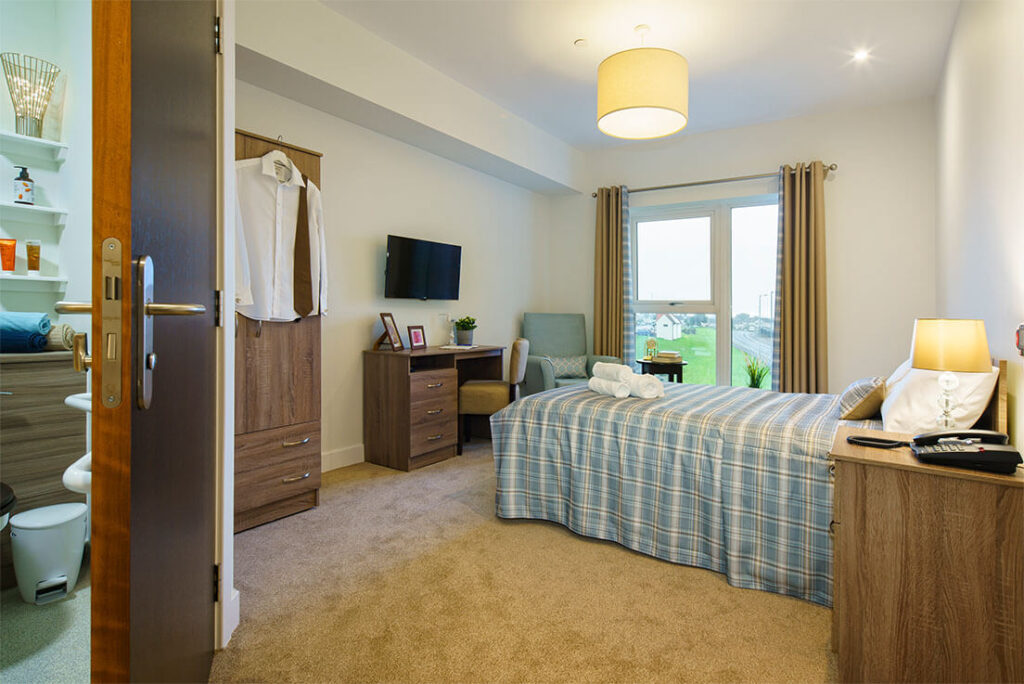
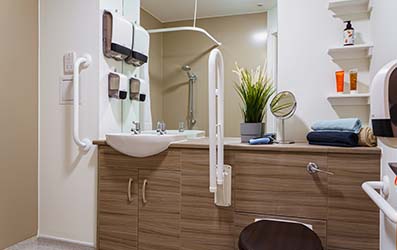
One common worry is that increased care means a more clinical or impersonal environment. A good continuum of care does the opposite. Support increases quietly in the background, while daily life continues to feel normal and homely.
Residents can still enjoy social spaces, activities, and familiar routines, even as additional care is introduced. This balance helps people maintain dignity and independence for as long as possible.
Why a continuum of care is especially important in later life
Later life can bring unpredictability. Health conditions may progress, recovery times may lengthen, and support needs may fluctuate. A care home that offers continuity is better prepared to respond calmly and promptly to these changes.
Rather than reacting to a crisis with an urgent move, care can be adjusted thoughtfully, with the resident and family fully involved in decisions. This approach reduces stress at already emotional moments.
Continuum of care at Queens View Harbour Care Home in Troon
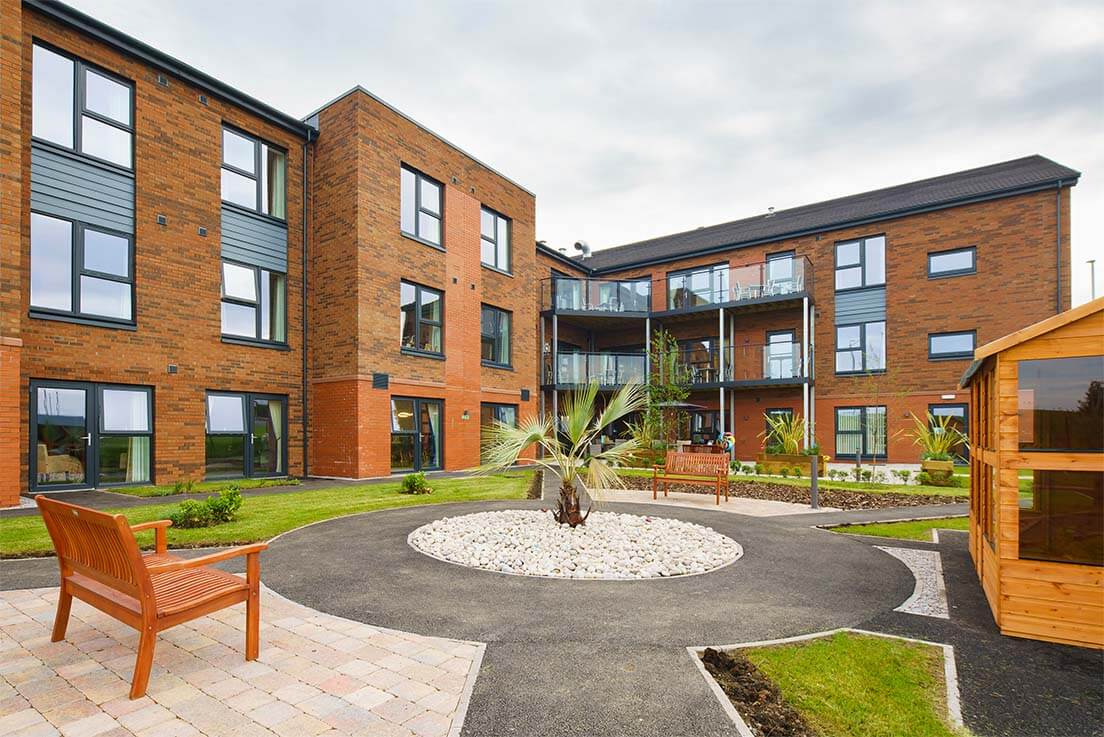
At Queens View Harbour Care Home in Troon, continuity sits at the heart of how care is delivered. The focus is on supporting residents not just as they are today, but as their needs may become in the future.
Care is shaped around the individual, with close attention paid to comfort, familiarity, and emotional well-being. Residents are supported to live their lives with dignity, choice, and reassurance, knowing that care can adapt without disruption.
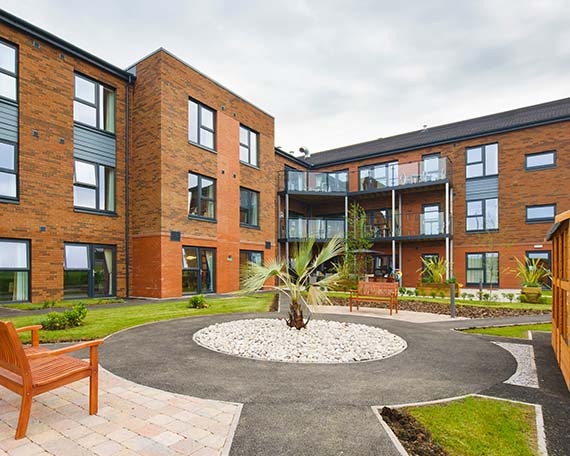

Being based in Troon also means residents can remain connected to the local area they know, with familiar coastal surroundings and a strong sense of community. For many families, keeping those local ties is an important part of feeling settled and at ease.
A gentler, more reassuring way forward
Choosing a care home is rarely a simple decision. It is often made during a time of change, worry, and emotional strain. Understanding what a continuum of care means can help families feel more confident that they are choosing a home that will support their loved one not just now, but in the years ahead.
A care home that offers continuity allows residents to grow older in one trusted place, surrounded by familiar faces and compassionate care. For families, it offers reassurance, stability, and the comfort of knowing that whatever the future brings, their loved one will be supported every step of the way.
If you would like to learn more about care at Queens View Harbour Care Home in Troon, the team is always happy to talk through your concerns and answer questions in a friendly, understanding way.